


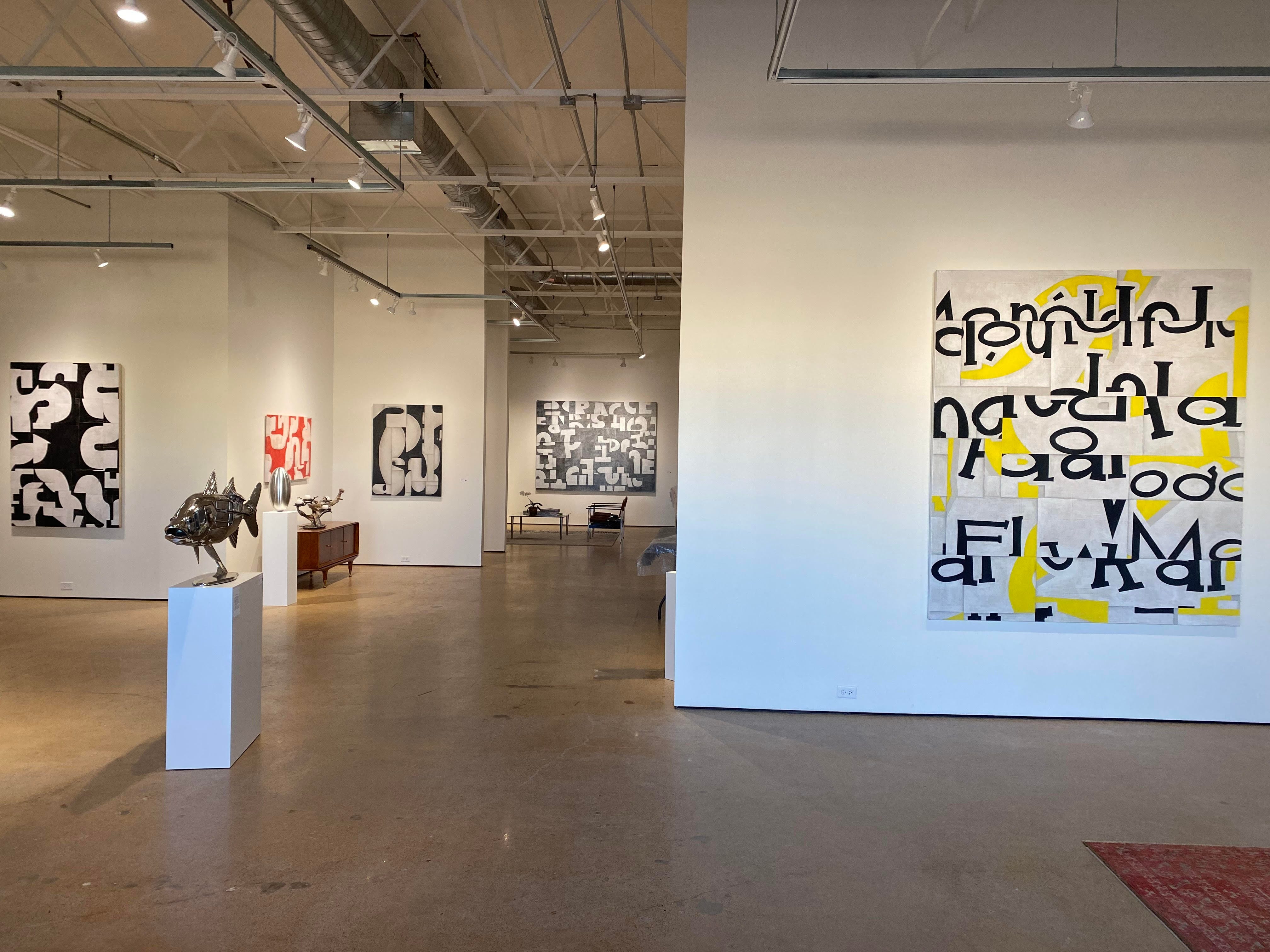
Respect the Work
There is a misunderstanding that sometimes develops when artists begin to understand that creativity itself is the true source of abundance.
Once we recognize that money, fame, recognition, and external success exist downstream from the creative act, it can be tempting to dismiss these things altogether. We may begin telling ourselves that presentation does not matter. That professionalism is somehow a compromise. That concern for craft beyond the act of creation itself represents a concession to the marketplace.
This too is a mistake.
The artist must remain close to the source.
But staying close to the source does not absolve us of responsibility toward what emerges from it.
In fact, the opposite is true.
The deeper our relationship with creativity becomes, the greater our obligation to care for what has been given to us through that relationship.
A work of art deserves respect and the first one who must respect it is the artist themselves.
Not because it might sell or generate fame.
Not because others may validate us through it.
It deserves respect because it arrived through the mysterious generosity of the creative act itself. Something invisible became visible through our willingness to participate. Something that did not exist before now exists in the world.
This is not a trivial event.
To treat that process casually after the fact is to misunderstand our role.
The artist’s work does not end when the initial creative impulse is finished, when the poem is written, or when the sculpture leaves the studio table. There comes the question: Is this the best it can be? There is often another few things that can be done with care to insure that the work has been fully expressed with clarity and elegance.
Then there remains the work of stewardship.
How is the work photographed, documented, archived?
How is it framed?
How is it presented publicly?
The public presentation constitutes publication.
How clearly is it communicated to those who encounter it?
These questions matter deeply.
Not because they increase the likelihood of financial success or improve our chances of recognition, although they may.
They matter because they represent the final act of care. The work deserves to be seen under the best possible conditions. The viewer deserves clarity of intention.
There is a quiet form of generosity in professional practice.
When an artist takes the extra time to present their work properly, to photograph it well, to frame it carefully, to speak about it thoughtfully, to document it accurately, they are not serving commerce.
They are serving the work itself and they are serving those who encounter and interact with it. It is a form of communication and communicating deserves claritity of purpose and clarity of craft.
To labor for months or years bringing something into existence and then present it carelessly is a strange contradiction. It suggests that the artist values the act of creation while neglecting responsibility toward the thing created.
Craft extends beyond making.
Presentation is part of craft.
Documentation is part of craft.
Professional discipline is part of craft.
The serious artist understands that every stage of the process deserves attention. We do not polish the work for the marketplace. We polish the work because it deserves dignity.
The world downstream will do what it does. Some works will sell. Some works will remain unseen. Some will gather praise or scorn. Others will pass quietly through time.
This remains outside our control.
But what remains entirely within our control is the quality of our stewardship. The work has come through us. It has asked for our attention. It has borrowed our hands in order to enter the world. The least we can do is ensure that when it arrives, it arrives whole.
Not for money.
Not for fame.
But out of respect for the gift itself.
And out of respect for those who may one day stand before it and enter into conversation with what we have made.
The artist protects the source.
But the artist must also protect the work on its journey into the world.
These are not separate responsibilities.
They are the same act of devotion expressed in different forms.
Yes..........this Respect for one's art is crucial to maintain. Even my old old old pieces that are stored in the garage are respected and when I do take one apart to reuse the items within it, I silently ask for permission and treat the piece with respect. And as weird or nutty as this sounds, I will often talk to the present pieces and tell them how much I love them. I don't admit that to anyone so here I am confessing this to y'all. I will often touch a piece as I'm walking by it with affection. That tactile feeling stays with me for a while. As a young kid I always just assumed that most inanimate objects had awareness.