


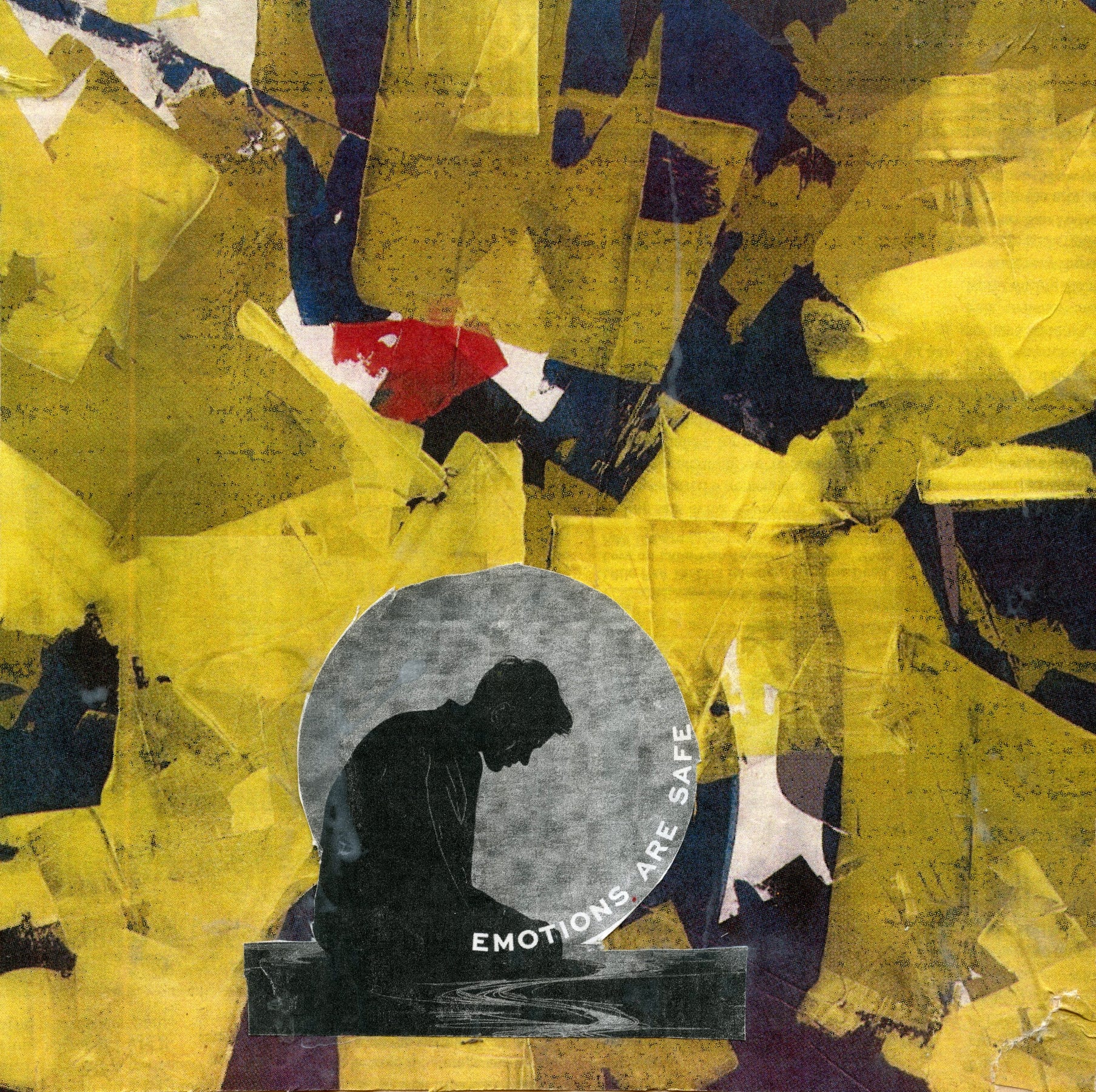
Transparency, Translucence, and the Artist as Instrument
Artists often speak about “getting out of the way.” It sounds noble. It can also be misleading.
The goal is not to disappear. Nor is it to dominate. The goal is to become translucent.
Transparency suggests absence. Glass so clear it vanishes. But artists are not empty panes. We have texture, density, memory, temperament. Our history, our discipline, our obsessions - these give the work tone. If we were transparent, the work would have no inflection. It would pass through without the nuance our unique signature brings to it.
Opacity is the other extreme. When the ego insists on control, the work becomes heavy. Every mark announces itself. Every gesture strains to prove importance. The surface tightens. Nothing breathes.
Translucence is different.
Light passes through, but it is shaped by the material like breath passing through a flute compared to a horn or an oboe.
In the studio, this is a felt experience. There are moments when the work seems to unfold through you. Decisions arrive without internal debate. The next move appears and you make it. The ego goes quiet. Not erased, not annihilated, simply unnecessary. Time thins. Attention stabilizes. The work is happening and you are participating.
Later, the ego returns. It makes coffee. It answers emails. It reviews what happened. That is fine. The instrument must reassemble to function in the world. But in the act itself, the artist becomes a membrane rather than a commander.
This is not mysticism. It is practice.
When the mirror of perception is cluttered with self-importance, the work cannot pass cleanly. If you are trying to impress, to defend, to secure your place in some hierarchy, your material thickens. The light distorts. You begin engraving the glass instead of polishing it.
Polishing does not remove you. It removes obstruction.
The difference matters.
The most alive work I have seen carries the unmistakable tone of its maker, yet does not feel forced. You sense the person in it, but you do not feel their grip. It moves. It breathes. It is confident without being loud.
To become translucent requires strength. You must have enough dignity to act decisively and enough humility to remain revisable. You must commit fully to each gesture while holding no fixed identity about what the gesture proves.
An instrument is not passive. It must be tuned. It must be maintained. It must withstand pressure. But it does not insist on authorship of the music. It responds to the field in which it vibrates. The work passes through.
And if you are attentive, what passes through you will carry your exact density, your particular grain, your lived history - but without the distortion of ego performance.
Translucence is not self-erasure. It is self in right proportion.
When that proportion settles into something natural and comfortable, the studio becomes less about producing objects and more about participating in movement. The art does not originate in you, nor is it separate from you. It passes through, shaped by you, without being owned by you.
Reading this I kept thinking about the 'art' of writing a hand-written letter........it's physical yet it relays a message/meaning to the reader of it as the writing and words themselves have a specific look to them, like a showing of ones soul, thoughts, feelings. Same with the visual arts......whether painting, collage, assemblage etc. one may be using material that's been 'invented' by someone else yet the manipulation of said material by the artist can have that subtle yet defined and even mysterious quality to it when the ego is let go and something else takes over.....is that intuition/instinct, the space between heartbeats or breaths, or perhaps some connection to something else beyond our understanding?