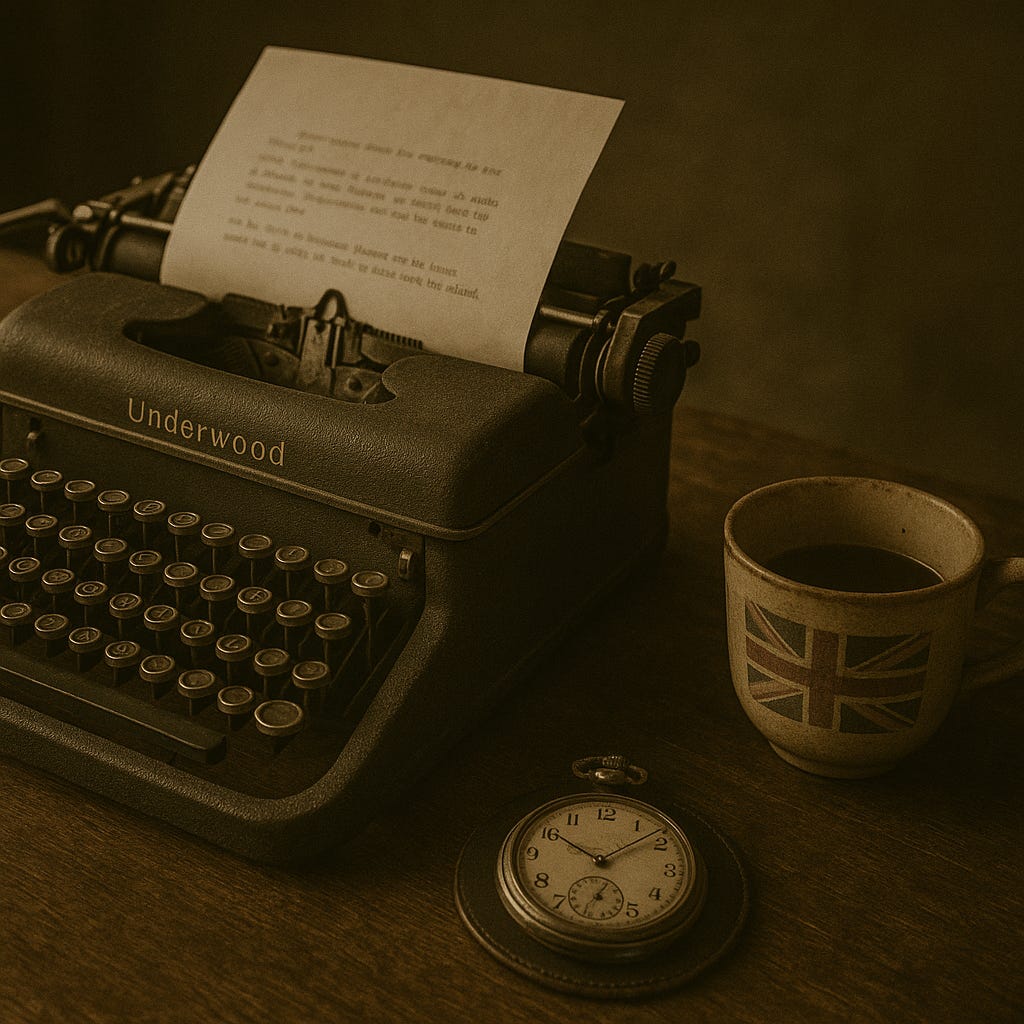
Slightly Ironical Smile
I ran away considerably now
to inspect the characteristic countenances.
Enter a gentle stream of air;
enter a wholly restrained sort
of psychic marvel, unexplained
without some instances of living death,
sometimes cold and then, by a few answers,
the breath coming from crowding too closely
to cry with the staring, lifeless, glassy eyes
which can scarcely be heard [in] every direction,
rolling along in commotion
[as] if craving for release;
taken and passed away from crowding
about the profound terror
which this marvelous intelligence
of the weird actions of the puzzling, mysterious
potentates, celebrated heroes, thieves, murderers, and so on,
[over] an appearance of general
horrible, eerie, shuddery feeling.
It might soon have been given
the strangest feature of [the] horror of a supernatural story.
The flood which was to be concealed inside;
a face expressing a slightly ironical smile.
The Letter of Mutual Interest (The Half-Tone Child)
He was born between two alphabets.
His mother, a Cantonese tailor, named him Kai; his father, an English trader who disappeared before Kai could speak, had left only a surname on a birth certificate: Hensley.
In Hong Kong of the 1980s, that name was neither useful nor welcome.
To the Chinese, he was half-ghost.
To the British, he was a shadow at the edge of their clubs, a boy who spoke their language with the wrong kind of silence.
When the city began to shift toward its uncertain future, Kai was twenty-six, working nights at a telecommunications company translating early internet manuals. The machines fascinated him: they promised connection without recognition, a place where accent and ancestry vanished into the circuitry.
He began using the office terminals after hours, sending messages into the digital void - letters not to people but to whoever might exist on the other side of language.
He signed them only The Translator.
One night, after a power outage, he found a message in his inbox that he hadn’t written. It began:
I ran away considerably now
to inspect the characteristic countenances.
Enter a gentle stream of air;
enter a wholly restrained sort of psychic marvel…
The words were his and not his.
He recognized the cadence but not the mind behind it.
They read like something recovered from a séance or an unfinished Victorian novel translated by a machine.
He printed the letter and studied it under the desk lamp.
Outside, the harbor fog pressed against the windows, breathing in rhythm with the fluorescent hum.
The letter continued:
…rolling along in commotion
as if craving for release;
taken and passed away from crowding
about the profound terror
which this marvelous intelligence…
He read the line again and shivered.
It felt as though the message were describing him: the crowding of two cultures inside one body, the craving for release, the marvel and terror of identity that refused to settle.
Kai began to write back - not in words, but in fragments, phrases scavenged from manuals, poems, and the old colonial archives. He cut and rearranged them, feeding them into the terminal, watching as they disappeared into the dark.
Over the next months, more replies came. Some were written in the clipped language of official memos, others in the tone of mystic revelations. Always, the same closing appeared:
A face expressing a slightly ironical smile.
He came to believe that the sender was not a person but a consciousness forming within the city itself - the hybrid mind of Hong Kong, rising out of its contradictions, speaking through data lines and obsolete modems.
In the weeks before the handover, Kai began recording these transmissions on magnetic tape, labeling each one Mutual Interest No. 1, 2, 3…
He stored them in a wooden chest beneath his mother’s sewing table.
On the night of July 1, 1997, as fireworks rippled across Victoria Harbour, the terminal blinked one last time.
The flood which was to be concealed inside;
a face expressing a slightly ironical smile.
Then the power failed.
In the sudden dark, the city roared - a living chorus of celebration and unease. Kai sat before the dead monitor, feeling both orphaned and understood.
The machine, his only confidant, had fallen silent, but he could still sense its pulse within him.
He realized then that the “mutual interest” had never been a transaction at all.
It was the dialogue between two halves of a soul: one colonial, one native, both searching for a language large enough to contain them.
Outside, rain began to fall—a gentle stream of air, a restrained marvel.
Kai opened the window and let the papers scatter into the storm.
Each page lifted, turned once in the wet wind, and vanished into the luminous city that had finally learned to speak for itself.