


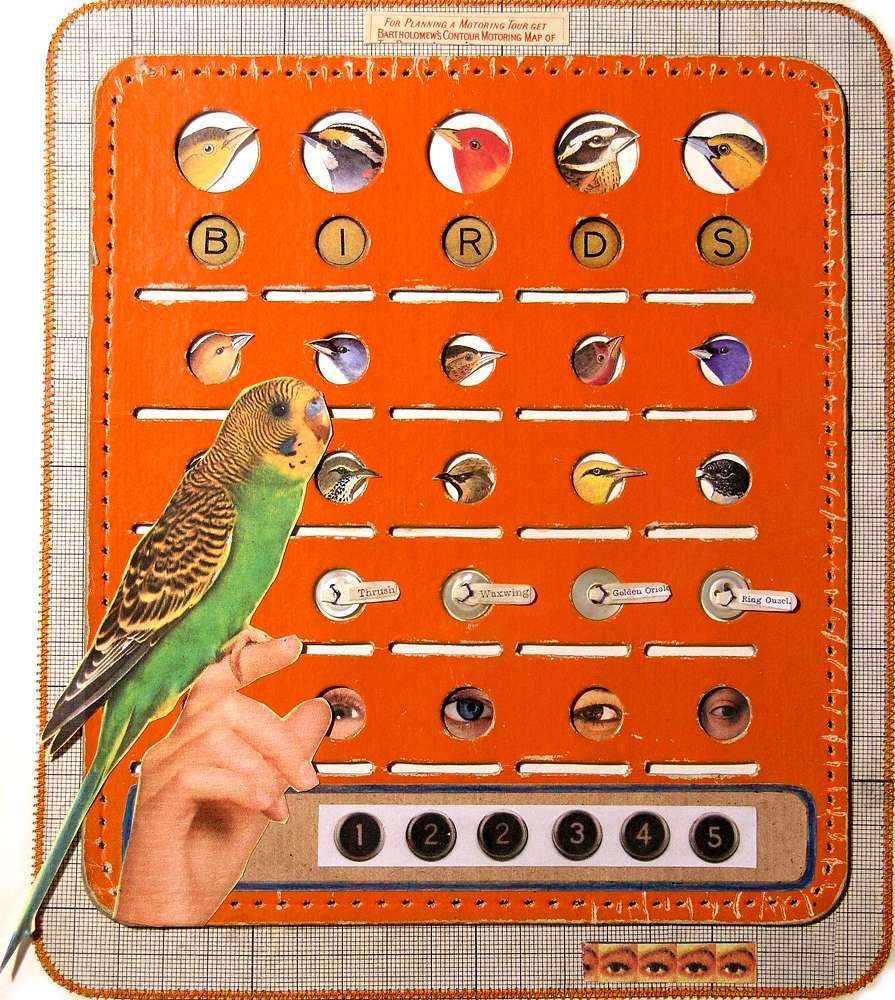
Field Guide to the Mundus Imaginalis
Orientation Notes for Travelers Between Worlds
There exists a world not found on maps but carried in the marrow of our being—a terrain as real as the waking world, but composed of images, patterns, symbols, and meaning. This is the Mundus Imaginalis—the imaginal world.
Not to be confused with the imaginary or the fantastical, the imaginal is a domain of true seeing. It lies between intellect and sensation, spirit and matter. It is neither purely mental nor physical. It is the world the soul perceives.
This guide offers orientation for those who feel the call to travel there—or suspect they already have.
1. What Is the Mundus Imaginalis?
Coined and clarified by philosopher Henry Corbin, the Mundus Imaginalis is the "place" where archetypal realities take form. It is the realm of the visionary, the symbolic, the prophetic. It is where myth happens now, not once upon a time. It is the matrix of dreams, revelations, and sacred encounters.
It is not made up by us. It is encountered by us. It speaks in a language deeper than words.
2. How Do You Know You’re There?
You’ll know you’re in the imaginal by a subtle shift in quality. Things glow with felt meaning. A symbol grips you. A dream feels more real than waking life. Time becomes layered. You may feel spoken to, even though no voice is heard.
Here are common portals:
Vivid dreams that stay with you
Images that return unbidden
Encounters with animals, places, or people that feel archetypal
Sudden insight while creating, grieving, meditating, or in nature
Synchronistic events that defy rational dismissal
The imaginal doesn’t shout. It hums. If something in you quiets and deepens, you’re close.
3. What Lives There?
Everything that wants to become but is not yet fully born. Here you may meet:
Living symbols: not static signs, but presences with agency
Archetypal figures: mythic forms that echo across cultures—Mother, Trickster, Wanderer, King, Crone
Dream beings: animals that speak, ancestors who guide, cities that pulse with memory
Subtle landscapes: groves, staircases, ruins, oceans—each with its own intelligence
All these entities participate in your imagination, but do not belong to you.
4. How Do You Navigate?
With attention, humility, and patience. Don’t try to dominate the imaginal. It does not obey command. Instead:
Record your dreams as if they were letters from another world
Draw or write what you see without editing
Ask questions inwardly, then wait for symbolic replies
Trust repetition—what returns is trying to get your attention
Practice discernment: not every image is true. Some may be distorted by personal fear or fantasy. The true imaginal bears the mark of depth, insight, and inner coherence
5. Why Does It Matter?
Because the imaginal is where culture begins. Before any religion, city, movement, or invention came into being, it was seeded in the imaginal. Every time we lose touch with this realm, our creations lose soul.
And right now, the world suffers from a poverty of image. Not just visual image—but soul image. Living metaphors. Guiding dreams. Inner truth. Without the imaginal, we drift.
But with it, we remember. We re-weave.
To access the imaginal is to remember that the world is alive with meaning—and that we are here not just to consume or produce, but to participate in the unfolding of that meaning.
6. How Do You Return?
You don’t really “return” from the imaginal. You integrate. You bring back what you found in a way that speaks to the waking world. This is the artist’s task. The healer’s. The mystic’s. The true cultural worker’s.
Sometimes this is a painting. Sometimes it’s a gesture, a garden, a new way of listening. The important thing is that the imaginal doesn’t stay trapped in the otherworld. It flows back in, through your life.
You become the threshold.
You are not imagining things. You are being imagined by them.
If this stirred something in you, it’s likely you’ve already walked part of the path. Leave a trace. Tell a dream. Name the place that keeps returning. Share this with those who might be walking the same way. We’re not alone out here. The imaginal world is collective—and so is its unfolding.
So often I have found all sorts of solutions, incredible meanings, outrageous images, impossible answers and realizations (that will dissipate once I'm awake) that invade my dreams and I welcome it all. Almost every night I have such vivid dreams that entertain, feed me/my art, open up portals I could never find on my own.....I do take meds for things and they may be affecting all this but I love it and will take it as it happens.