


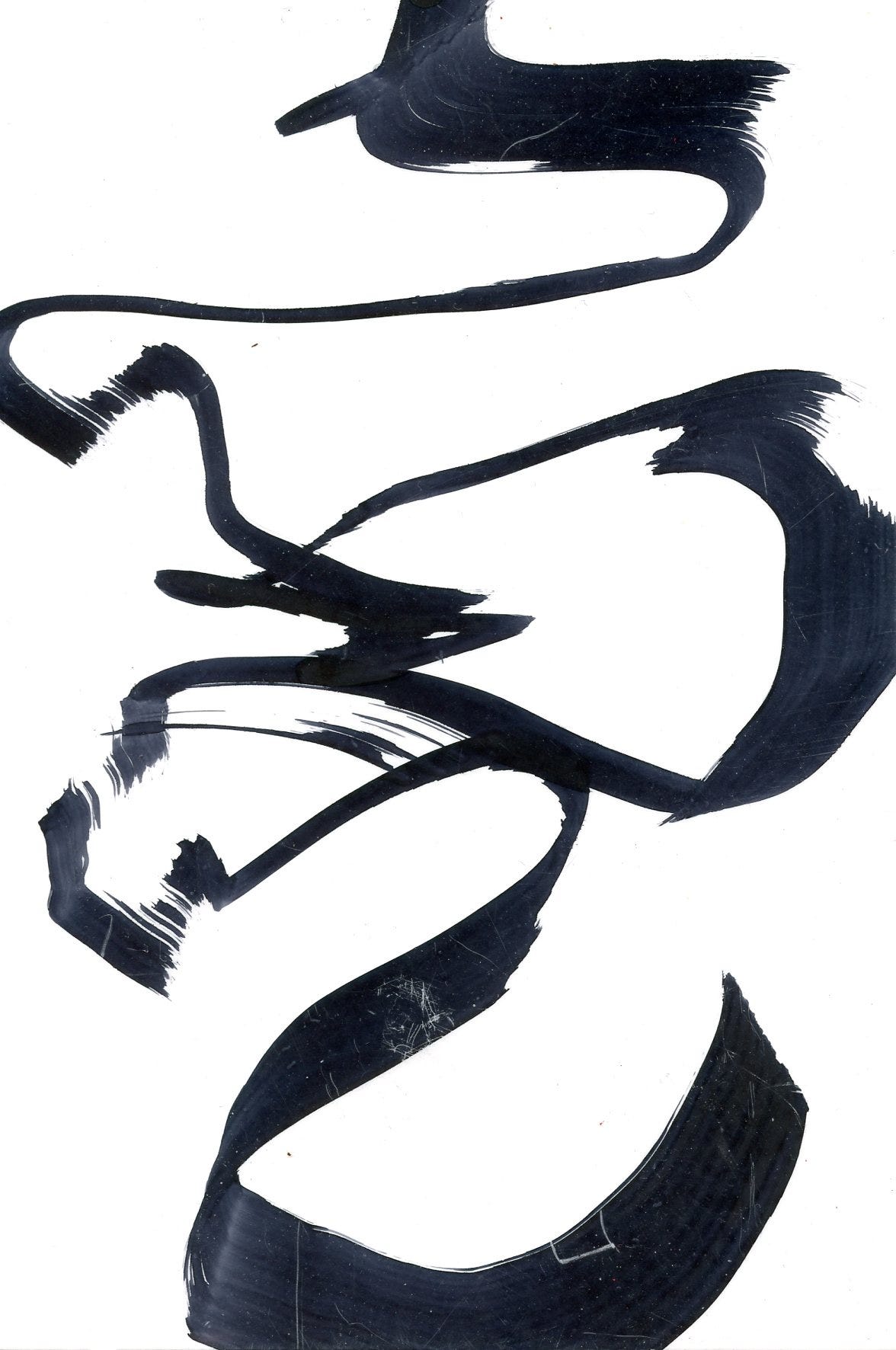
The Breath as a Teacher of Authenticity
Journal Entry: December 24, 2025
If the first permission invites us to begin as we are, the next step is to listen for what is already moving within us. This listening begins with the breath. Breath is the original teacher. It reveals our inner condition with more honesty than thought, emotion, or intention. Before we speak, before we create, before we even decide, the breath has already told the truth.
For the creative person, this truth is a compass. It shows whether we are acting from our center or from distortion, whether we are following the inner current or being pulled by outer pressures. Breath is the subtle bridge between the individual self and the universal rhythm. To understand it is to understand where our authenticity lives and how to return to it.
Authenticity Begins with Rhythm
Every soul has its own natural rhythm, much like musical tempo. Some people move through the world in largo, others in allegro, others in a steady andante. When we try to create at a rhythm that is not ours, we feel strain. When we work in harmony with our natural tempo, effort becomes ease.
The breath is the instrument through which this rhythm becomes visible.
A tight breath reveals that we are forcing ourselves.
A shallow breath shows we are avoiding something.
A restless breath indicates we are ahead of ourselves.
A deep, spacious breath signals alignment.
Authenticity is not a personality trait. It is the inward alignment between breath, intention, and action.
The Breath as a Guide in Creative Work
Artists often try to think their way into inspiration. Yet inspiration is much more responsive to breath than to thought. Inspiration after all means ‘to breathe in’. Breath creates space within which intuition can rise. When the breath is constricted, intuition becomes muffled. When the breath flows freely, the imaginal realm becomes accessible.
This is why so many creative blocks dissolve not through effort but through breathing.
The breath reminds the body that it does not have to defend itself.
It tells the psyche that it is safe to experiment.
It reassures the inner critic that the world is not ending.
Breathing, in this sense, is not only biological but spiritual. To breathe with awareness is to return to the essence of oneself.
Many mystic traditions worldwide, including Yoga (Pranayama), Taoism (Qi), Sufism, Buddhism, and Christian Hesychasm, deeply study breath as a core spiritual practice, viewing it as life’s vital force (like Prana, Qi, Ruach), a bridge to altered states, a form of prayer, and a tool for self-discovery, healing, and connecting with the divine by consciously altering patterns to harmonize mind, body, and spirit.
Four Practices for Artists and Creatives
These practices are simple, direct, and meant to be used in real studio conditions.
1. The Breath Check Before Beginning
Stand or sit at your working space and notice your breath without changing it.
Ask quietly:
Is my breath natural? Or is something tightening it?
If it is tight, do not force it to loosen. Simply exhale gently and allow the breath to return to its natural state.
This alone begins to restore authenticity.
2. The Exhale of Surrender
When you find yourself overworking, overthinking, or trying to impress an imaginary audience, pause for a long exhale.
Feel the shoulders settle.
Feel the mind release its grip.
Feel the current shift.
This exhale acts as a reset, returning you from performance mode to presence mode.
3. The Breath-Brush Synchrony
For painters, writers, musicians, or anyone who engages with repeated gestures, try syncing your breath lightly to your action. Not rigidly, just a gentle correspondence.
When gesture and breath begin to harmonize, creativity becomes embodied rather than cerebral. The work becomes guided from within rather than pushed from without.
4. Watching the Breath
Breathing is our constant interaction with the world. Most of the time we are completely unaware of it. Whenever you can, maintain an awareness of your breath. This can be as simple as maintaining attention of when you are breathing in or breathing out. Notice when you lose track and when you remember to notice.
Breathing Toward the True Self
To breathe is to be in conversation with the unseen. The breath listens, responds, and reminds. It guides us back to the shape of our own nature.
When the breath is easy, our voice is true.
When the breath is subtle and settled, our choices become clearer.
When the breath flows naturally, our work begins to speak in its own language.
No spiritual path, and no creative path, can unfold without breath. It is the first rhythm of our life and the last. Everything we create is shaped by what we allow the breath to carry.
To be perfectly oneself begins with being perfectly breathed. The breath reveals the shape of our authenticity and invites us to inhabit it fully.

I always find deep resonance in your reflections, Cecil and this one especially so. Breath has become such an integral part of my own artmaking and creative life. It's not only a grounding force, but a way I return to my center again and again. I so appreciate how you describe breath as a bridge between authenticity and creation - that has certainly been true for me. Thank you for articulating it with such clarity and care. Your words are a gentle reminder to keep aligning with what is true, from the inside out.
When I used to teach singing, I could have taught a whole different course on breathing correctly. There is so much technique involved, especially for controlling panic and anxiety.